Regional Regulations Shifting the Landscape for Blackjack Tournaments and Mobile Applications
Otto Lehmann · Jun 17, 2026

Regional Regulations Shifting the Landscape for Blackjack Tournaments and Mobile Applications
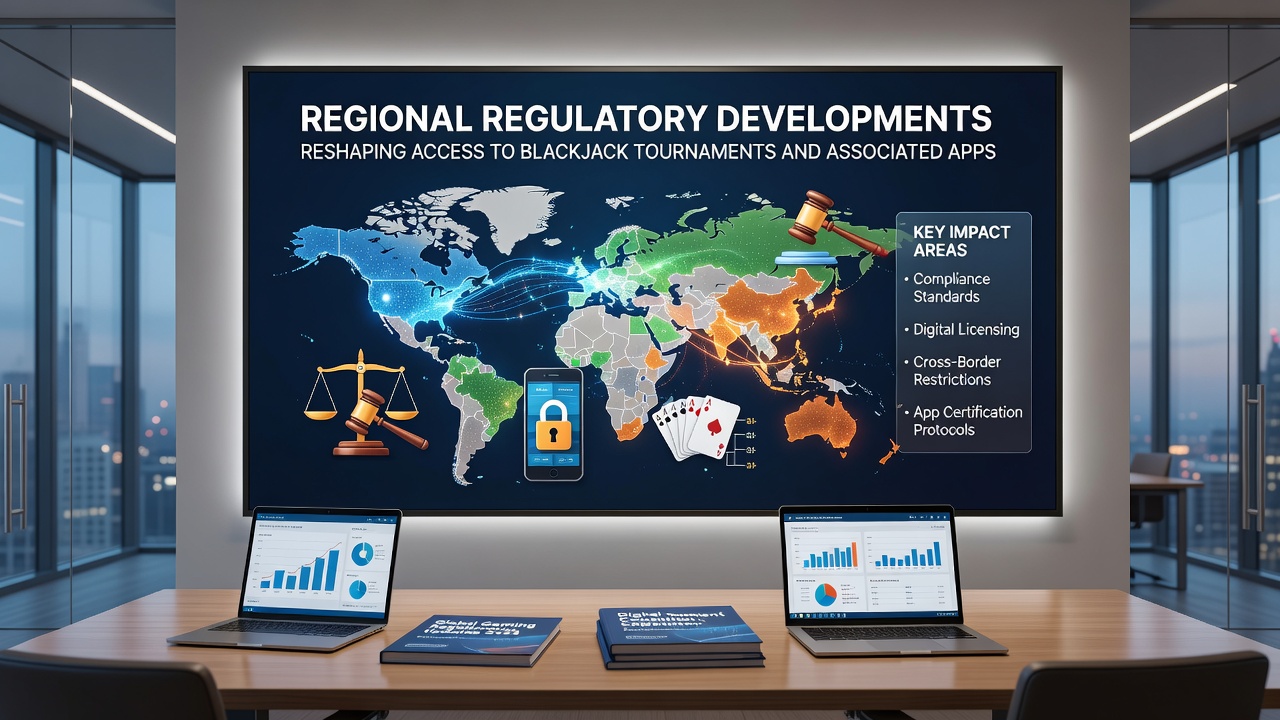
Regulatory frameworks in multiple jurisdictions continue to evolve and they directly influence how players gain entry to blackjack tournaments along with the apps that host these events, while operators adjust their platforms to meet new compliance standards that took effect in early 2026.
North American Shifts Affecting Tournament Entry
State-level authorities in the United States have introduced updated licensing requirements for mobile gaming platforms and these rules now require explicit approval for tournament-style blackjack formats before apps can offer real-money entry, which means developers must integrate state-specific verification systems that check player eligibility in real time. Michigan's Gaming Control Board finalized amendments in March 2026 that mandate separate certifications for apps running multi-table blackjack events and several major platforms responded by pausing new tournament launches until full reviews conclude later in the summer. Pennsylvania followed a similar path when its gaming regulators expanded oversight to include geofencing precision standards for apps that connect users to regional blackjack competitions, a move that forces providers to recalibrate location services and reduce access for users near state borders until technical upgrades roll out.
European Frameworks Redefining App Availability
Across the European Union member states continue to harmonize elements of their online gaming directives and Germany implemented phase two of its revised interstate treaty in June 2026 which caps the number of licensed tournament apps permitted to operate within its borders while imposing stricter deposit limits tied directly to blackjack competition formats. Operators have observed that these caps push smaller platforms to exit the market or merge with larger entities that already hold multi-state licenses, resulting in fewer choices for players seeking entry into cross-border blackjack events. Malta's gaming authority meanwhile released fresh guidance on app-based tournaments that emphasizes responsible gaming integrations such as session timers and loss thresholds, requirements that several international developers incorporated ahead of the June deadline to maintain their European market presence.
Asia-Pacific Adjustments and Cross-Border Implications
Australian states have tightened rules around sweepstakes-linked blackjack apps and Victoria's gaming regulator now requires explicit disclaimers plus age-gating protocols before any tournament app can advertise events to residents, changes that went live in May 2026 and prompted several providers to segment their user bases geographically. Singapore's regulatory body expanded its review process for foreign-hosted apps and this has delayed launches of new blackjack tournament features while officials assess compliance with local advertising restrictions that prohibit direct promotion of real-money competitions. Observers note these layered requirements create friction for global app developers who must maintain separate compliance teams for each region rather than relying on a single unified release strategy.
Operational Impacts on Tournament Platforms
App developers report increased development costs tied to region-specific modules for identity verification and payment processing and these expenses often translate into higher entry fees for blackjack tournaments or reduced prize pools in markets where new taxes apply to operator revenues. Data from industry tracking services shows a measurable drop in active tournament listings across affected platforms between January and June 2026, particularly in jurisdictions that introduced simultaneous licensing and consumer protection mandates. Players encounter more frequent prompts for documentation uploads and location checks before joining events, steps that lengthen onboarding but align with regulatory goals of preventing underage participation and money laundering risks.
Links to primary regulatory announcements appear on official portals such as the Michigan Gaming Control Board site and the Ireland Gaming and Lotteries Commission updates where detailed compliance timelines remain available for operators and developers tracking these changes.
Conclusion
Regional regulatory developments continue to reshape access pathways for blackjack tournaments and their associated mobile applications as authorities balance consumer protection priorities with industry growth objectives, resulting in more segmented markets where only compliant platforms retain broad availability and players navigate an increasingly complex set of entry requirements across borders.