International Payment Networks Reshaping Online Blackjack Variant Selections
Quinn Long · Jun 28, 2026
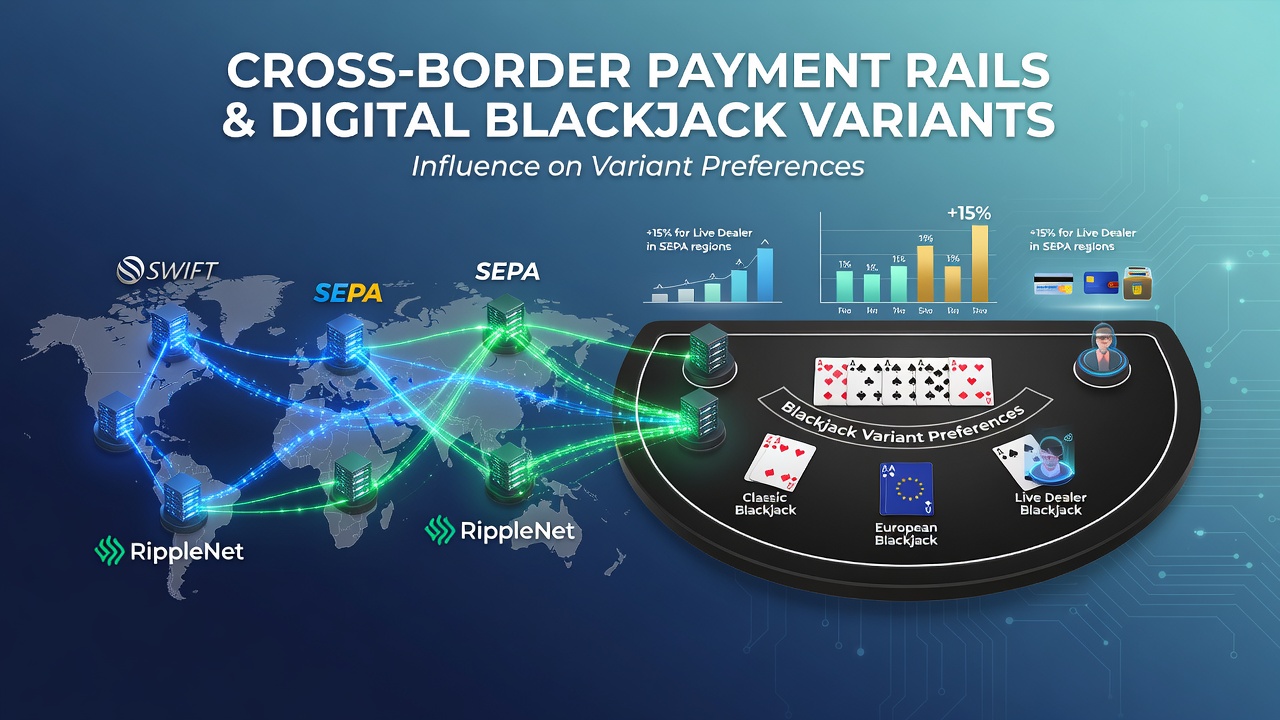
International Payment Networks Reshaping Online Blackjack Variant Selections
Payment rails that cross national boundaries have started to alter how players approach different blackjack formats in digital environments, with transaction speed, currency conversion fees, and regional availability playing central roles in those decisions. Data from industry tracking services shows that sessions involving European Blackjack have risen in regions where SEPA transfers dominate, while American Blackjack variants see steadier engagement where ACH and wire systems remain common.
Observers note that faster settlement times encourage participation in live dealer formats because players can reload mid-session without long waits, whereas slower rails push users toward single-player variants that allow pauses. Researchers tracking platform analytics have documented shifts in variant selection patterns that align with the dominant payment methods available in each market.
Mechanics of Cross-Border Rails and Gaming Access
Systems such as real-time gross settlement networks, cryptocurrency gateways, and card schemes operate under different rules depending on the jurisdictions involved, which creates uneven access to certain game features. When a payment rail supports instant deposits in multiple currencies, players gain easier entry to variants that include side bets or progressive jackpots requiring continuous funding. In contrast, rails that impose multi-day clearing periods limit options to formats with lower minimum stakes and simpler structures.
Studies from payment infrastructure providers indicate that conversion costs compound when players move between variants that carry different house edges or payout structures. Those costs become more noticeable in sessions using multi-hand options or infinite seat formats, prompting some users to stick with single-deck European rules where the economics align better with their chosen transfer method. Regulatory filings from June 2026 highlight how operators in several markets adjusted variant offerings after observing these payment-driven behaviors.
Variant Preferences Tied to Transaction Characteristics
Live-streamed tables with shared community cards tend to attract users on rails that permit micro-transactions without additional fees, because the pace of play demands quick top-ups. Single-player RNG versions, by comparison, show higher retention among players relying on batch-processed international wires. Platform data collected across multiple operators reveals that preferences for switch games or multi-hand setups correlate strongly with the availability of low-friction cross-border options.
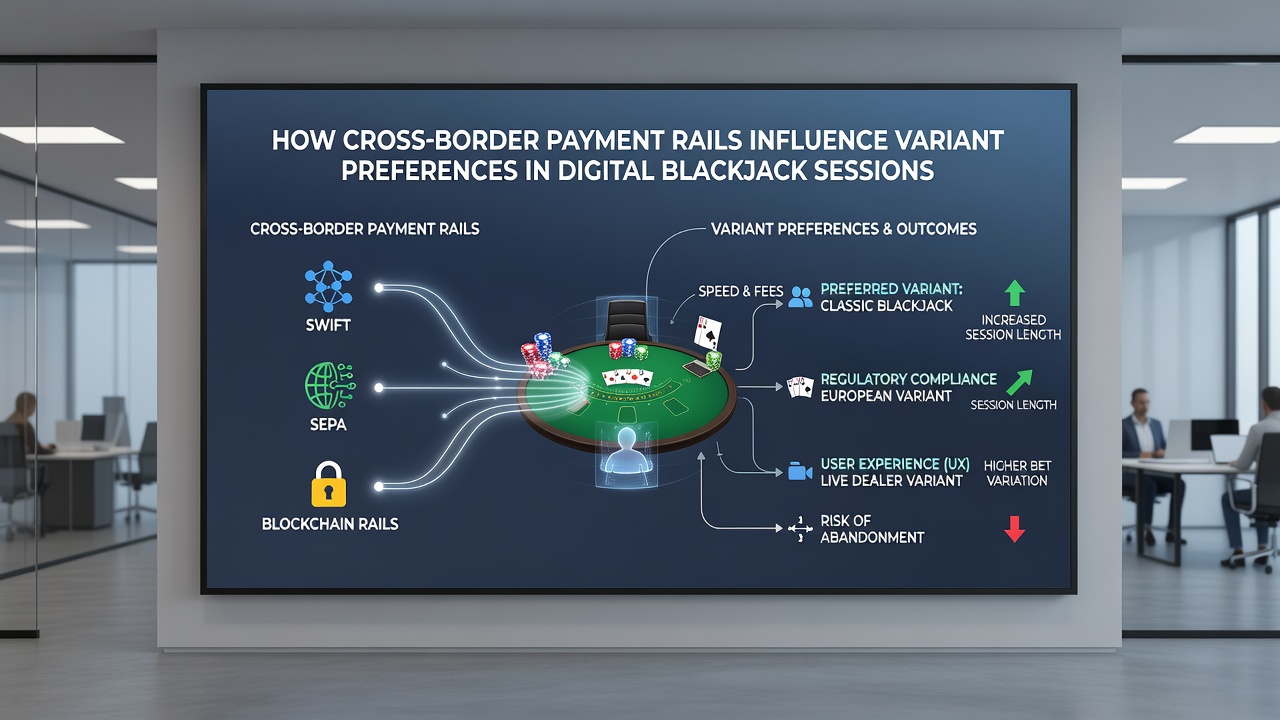
One analysis of transaction logs from early 2026 found that regions adopting open banking standards recorded measurable increases in European Blackjack participation, while markets still dependent on traditional card networks maintained steadier demand for classic American rules. These patterns emerge because open banking often reduces both time and cost barriers, allowing players to experiment with variants that require frequent balance adjustments.
Regional Patterns and Data Trends
European markets connected through unified payment interfaces display higher volumes of multi-variant sessions, whereas North American and Asia-Pacific regions show more concentrated play within single formats tied to local banking rails. According to reports from the European Central Bank, harmonized instant payment schemes have expanded the range of accessible blackjack options for users operating across borders. In parallel, data released by the Australian Transaction Reports and Analysis Centre documents how slower international settlement affects player retention in high-pace tournament formats.
Operators have responded by configuring default variant displays based on detected payment origins, a practice that further reinforces existing preferences. Figures from June 2026 platform audits indicate that users encountering fewer conversion fees during deposits gravitate toward variants with elevated volatility, while those facing higher costs remain with lower-risk choices.
Conclusion
The relationship between cross-border payment infrastructure and digital blackjack variant selection continues to evolve as new rails gain adoption and operators refine their offerings accordingly. Evidence from transaction records and regulatory summaries demonstrates consistent correlations between settlement characteristics and the formats players choose most often. These dynamics shape session structures across different markets without requiring direct intervention from game providers themselves.