Interface Patterns in Regulated Blackjack Apps Shape Player Variant Selections
Theo Albrecht · Jul 31, 2026
Interface Patterns in Regulated Blackjack Apps Shape Player Variant Selections
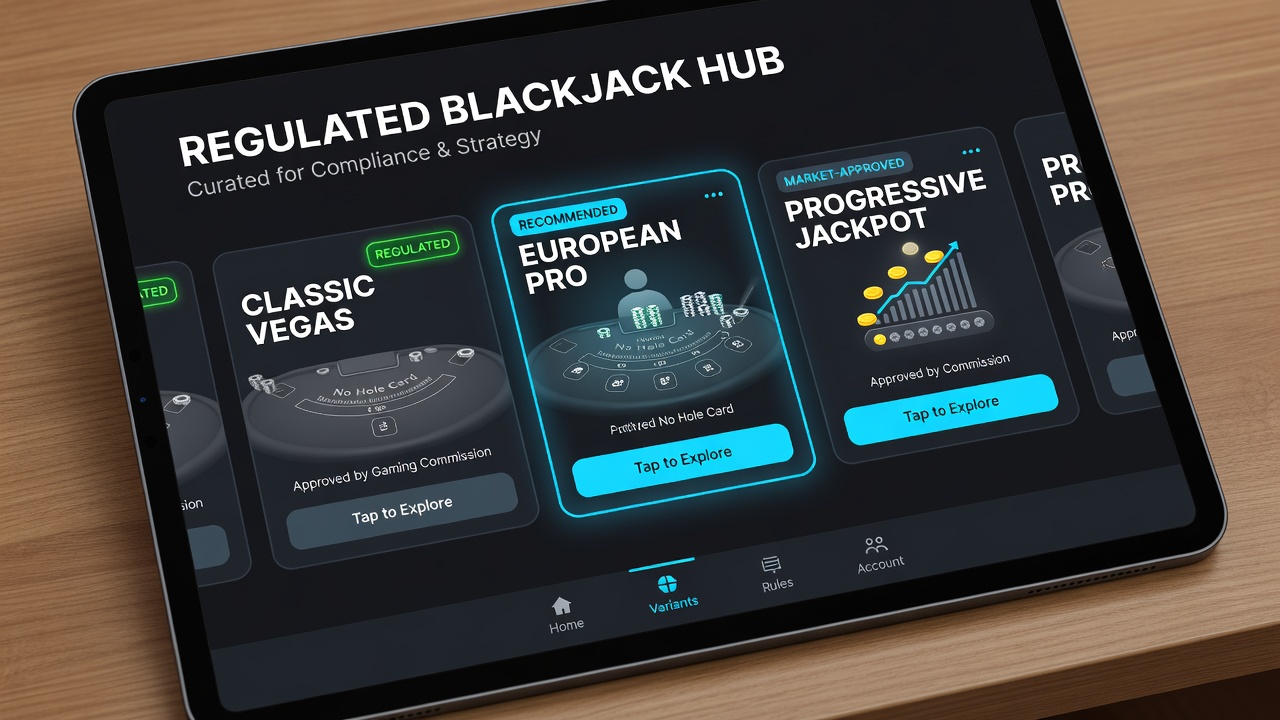
Regulated markets across North America and parts of Europe and Australia continue to see steady growth in mobile blackjack participation, and data from state gaming reports shows that players encounter interface elements designed to highlight particular game variants over others. Observers note that these design choices appear in the form of prominent buttons, default selections, and recommendation algorithms that prioritize certain rule sets such as multi-hand options or specific side bet configurations.
Common Design Elements Across Platforms
App developers working within licensed frameworks often place higher-visibility tiles for variants that carry different house edge profiles, and figures from regulatory filings indicate that players click through to these options at elevated rates compared to less emphasized alternatives. In several jurisdictions, the default landing screen after login directs attention toward games with faster round pacing or integrated progressive features, while standard single-hand formats sit further down the scroll path or require an additional menu tap.
Color contrast, animation timing, and push notification triggers further reinforce these pathways, according to interface audits conducted by independent testing labs. Those who have reviewed user flow data report that sessions beginning with a recommended variant tend to continue longer before switching occurs, and aggregated telemetry from operators in New Jersey and Pennsylvania reflects this pattern throughout the first half of 2026.
Regulatory Oversight adn Disclosure Requirements
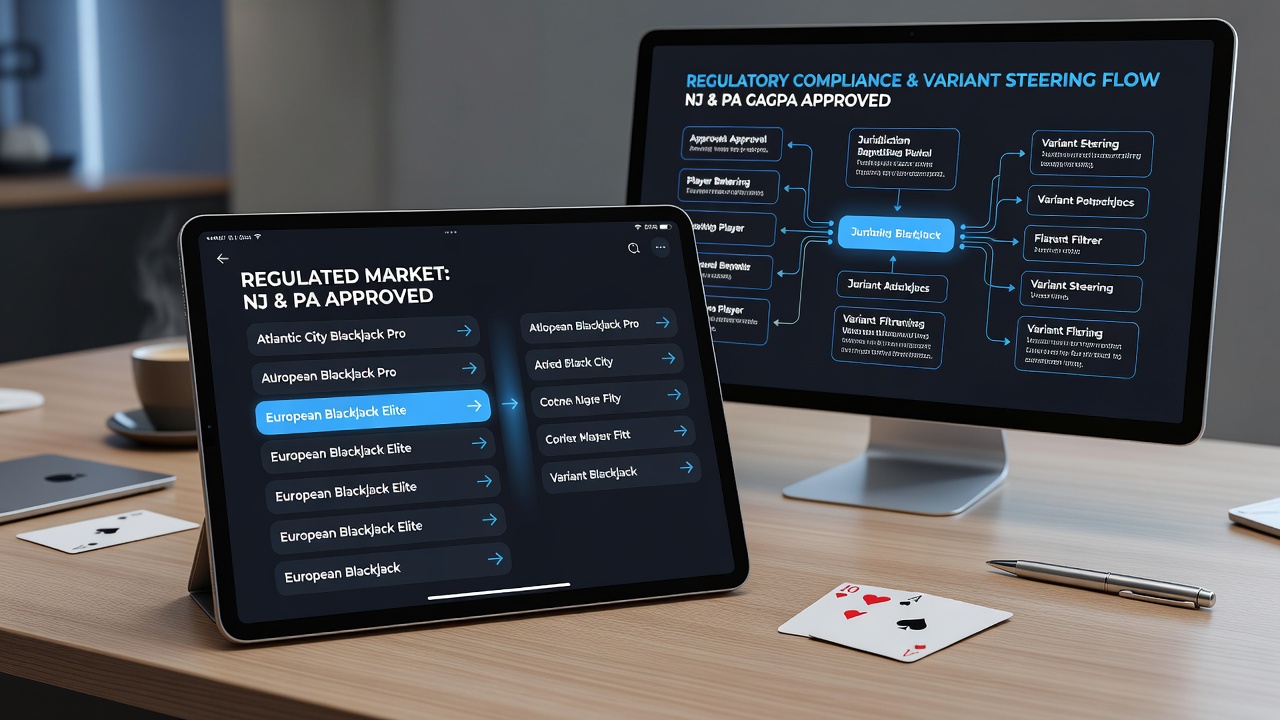
State regulators, including the Nevada Gaming Control Board and the New Jersey Division of Gaming Enforcement, require operators to maintain fair presentation standards, yet the guidelines leave room for visual hierarchy choices that do not rise to the level of deceptive practice. A recent industry report from the American Gaming Association highlights how operators balance compliance obligations with business objectives around player retention, noting that variant steering occurs through algorithmic personalization rather than outright false claims.
Researchers at the University of Nevada, Reno have examined session logs from multiple licensed apps and found measurable differences in variant exposure based on account age and previous play history. Their analysis, released in June 2026, shows that newer accounts receive more aggressive prompts for certain rule variations, while established players encounter tailored suggestions tied to their historical win rates.
Impact on Player Behavior in July 2026 Markets
By July 2026, several major operators had updated their mobile interfaces to comply with new transparency rules in Colorado and Michigan, yet the core navigation structures remained intact. Players in these markets still encounter variant carousels that rotate based on time-of-day data, with evening hours often featuring quicker-play formats positioned at the top of the screen. Transaction records indicate that the average number of variant switches per session has declined slightly since these updates, suggesting the steering mechanisms continue to function effectively within regulatory boundaries.
Market analysts tracking Australian online wagering platforms report similar patterns, where state-licensed apps use geo-fenced recommendations to surface variants approved under local rules while de-emphasizing others. The steering occurs without violating mandatory disclosure of return-to-player percentages, because the information appears in smaller text or secondary screens that users must actively seek out.
Technical Mechanisms Behind the Steering
Backend systems rely on A/B testing frameworks and machine learning models that adjust interface layouts in real time, and operators test multiple configurations against key performance indicators such as time-on-app and deposit frequency. These models draw from anonymized player cohorts segmented by jurisdiction, device type, and session duration, allowing subtle shifts in button placement or variant ordering without manual intervention.
Third-party certification bodies verify that random number generators and payout calculations meet required standards, but they do not evaluate the psychological impact of visual design hierarchies. As a result, the steering effect stems from presentation layers rather than game mathematics itself.
Conclusion
Across regulated markets, app interfaces continue to influence which blackjack variants receive the most player attention through established design practices and data-driven adjustments. Regulatory frameworks set boundaries around fairness and transparency, while operators optimize within those boundaries using personalization tools that shape discovery paths. The patterns observed in 2026 reflect an ongoing balance between compliance requirements and commercial objectives, with measurable effects on how players navigate available game options.