Digital Metrics Track Evolving Player Habits in Multi-Hand Blackjack Under Adjustable Timers
Theo Albrecht · Jun 12, 2026
Digital Metrics Track Evolving Player Habits in Multi-Hand Blackjack Under Adjustable Timers
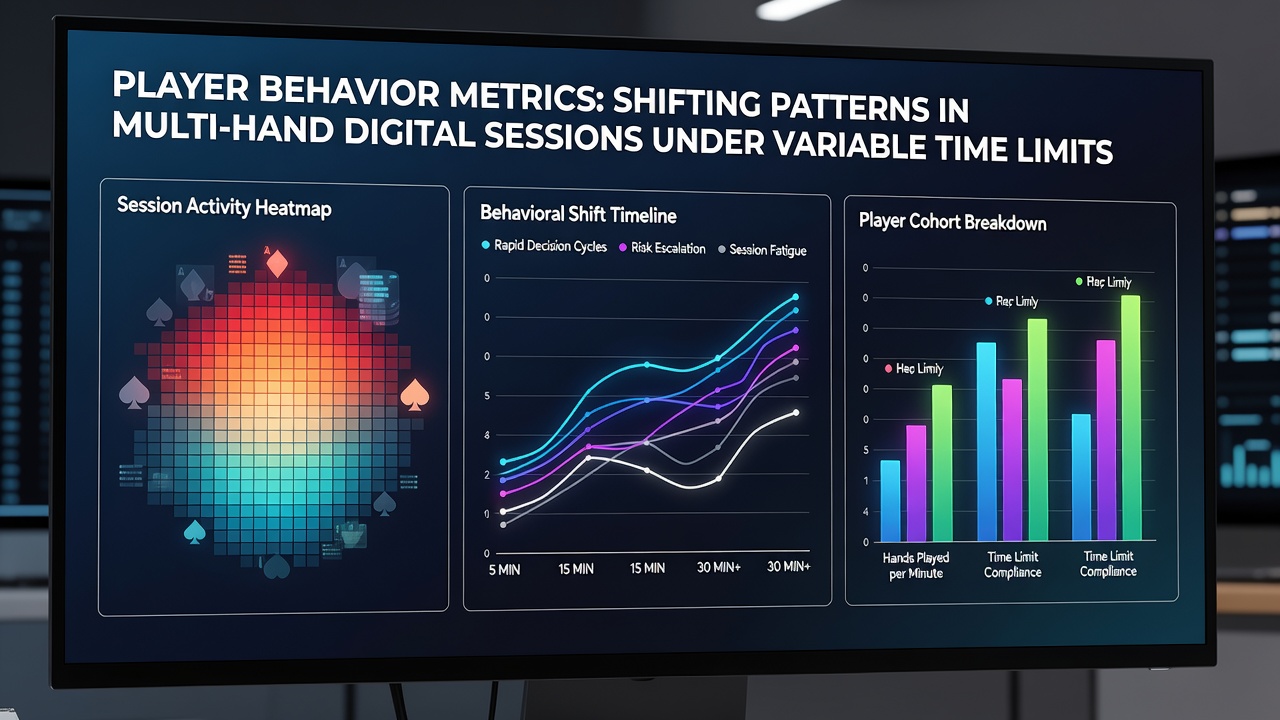
Online blackjack platforms have collected extensive data on how players engage with multi-hand formats when time constraints vary from session to session, and those records point to measurable adjustments in pacing and decision sequences. Operators report that shorter timers tend to compress the number of hands completed per minute while longer windows allow for more deliberate bet sizing across simultaneous positions.
Data Patterns Emerging from Platform Logs
Analytics teams at several major sites examined millions of sessions between January and May 2026, noting that players facing 15-second decision windows completed 12 percent fewer hands per session compared with those given 45-second limits. The same datasets show that average wager amounts per hand rose slightly when timers extended, suggesting participants used the extra seconds to evaluate stack sizes across multiple active spots.
Researchers tracking these trends observed consistent differences in session duration as well. Players under tight time caps often exited after 18 to 22 minutes on average, whereas those with relaxed timers stayed engaged for 28 to 34 minutes before logging off. These figures come from aggregated server logs that strip personal identifiers yet retain timing metadata.
Regional Comparisons and Regulatory Context
North American operators documented parallel shifts in Canadian provinces where variable timers were introduced during spring 2026 testing periods. European platforms, particularly those licensed in Malta, reported similar compression in hand volume when timers dropped below 20 seconds. The Nevada Gaming Control Board released preliminary findings in late May 2026 that aligned with these observations, although the board emphasized that its data covers only state-regulated servers.
One study released by a university research group in Australia examined 2.3 million multi-hand rounds and found that players adjusted their doubling frequency upward when timers exceeded 30 seconds, while surrender rates remained stable regardless of the limit. The report attributes the change to increased time for calculating expected values across multiple hands rather than any alteration in basic strategy itself.
Impact on Session Flow and Decision Sequences
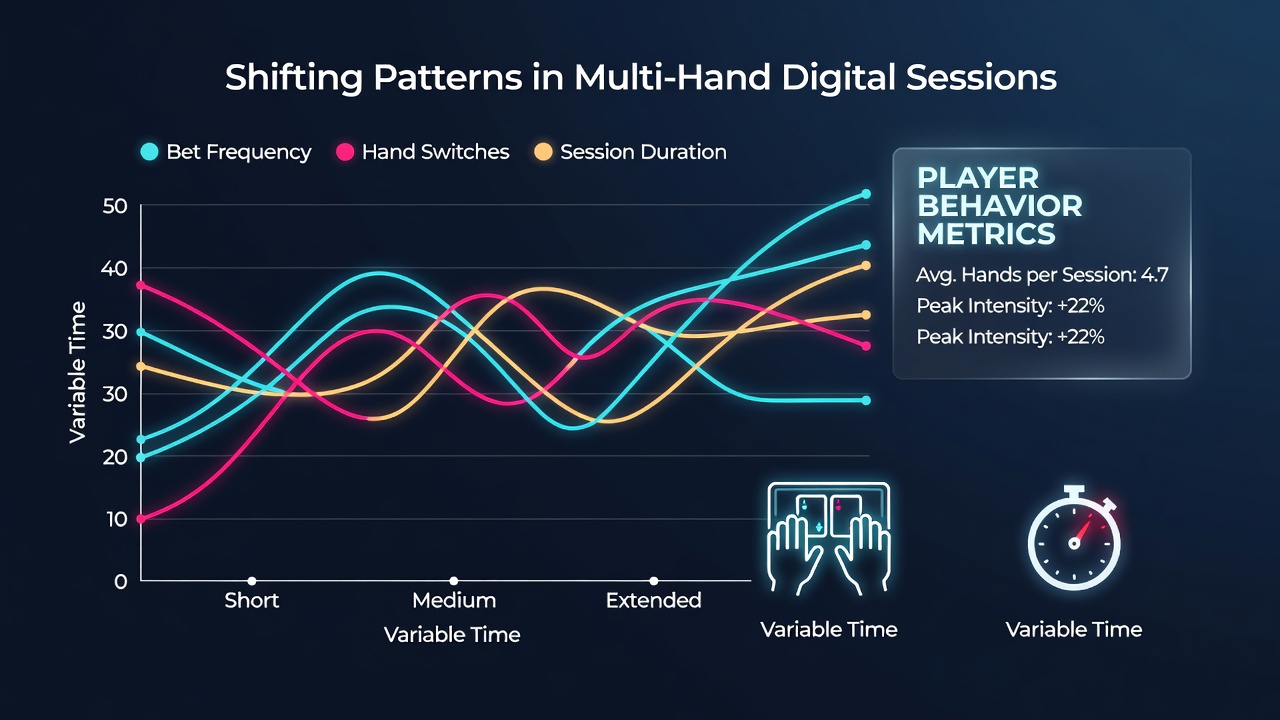
Platform dashboards reveal that the first three hands of a multi-hand session show the most pronounced timer sensitivity. Under shorter limits, players tend to lock in default bet amounts more frequently during this opening window, then stabilize their wagers once the session rhythm settles. Longer timers correlate with more frequent mid-session adjustments, particularly after a losing streak of three or more consecutive hands.
June 2026 projections from several analytics providers suggest these patterns will hold as more jurisdictions adopt flexible timer options. Operators note that players rarely request timer changes mid-session, instead selecting their preferred setting at the start and maintaining it throughout. This behavior produces clean data clusters that allow for clearer segmentation of user groups.
Device and Interface Influences
Mobile sessions display sharper drops in hand volume when timers tighten compared with desktop play, according to split-device logs from two large European operators. Touchscreen input latency appears to compound the effect, pushing some players toward simpler betting patterns rather than complex multi-hand strategies. Desktop users, by contrast, maintain steadier hand counts even under tighter constraints.
Observers tracking these differences point to interface design as a contributing factor. Larger screen real estate on desktops lets players scan all active hands simultaneously, reducing the cognitive load created by short timers. Mobile interfaces often require scrolling or tab switching, which consumes precious seconds and alters pacing.
Conclusion
Platform metrics continue to map how variable time limits reshape multi-hand blackjack engagement across different regions and devices. The patterns captured in 2026 logs indicate that timer length influences session length, wager stability, and hand frequency in consistent ways, providing operators with quantifiable benchmarks for future interface adjustments.