Crossing Platforms: Device Transitions Sparking Innovative Blackjack Variant Approaches
Theo Albrecht · Jun 21, 2026
Crossing Platforms: Device Transitions Sparking Innovative Blackjack Variant Approaches
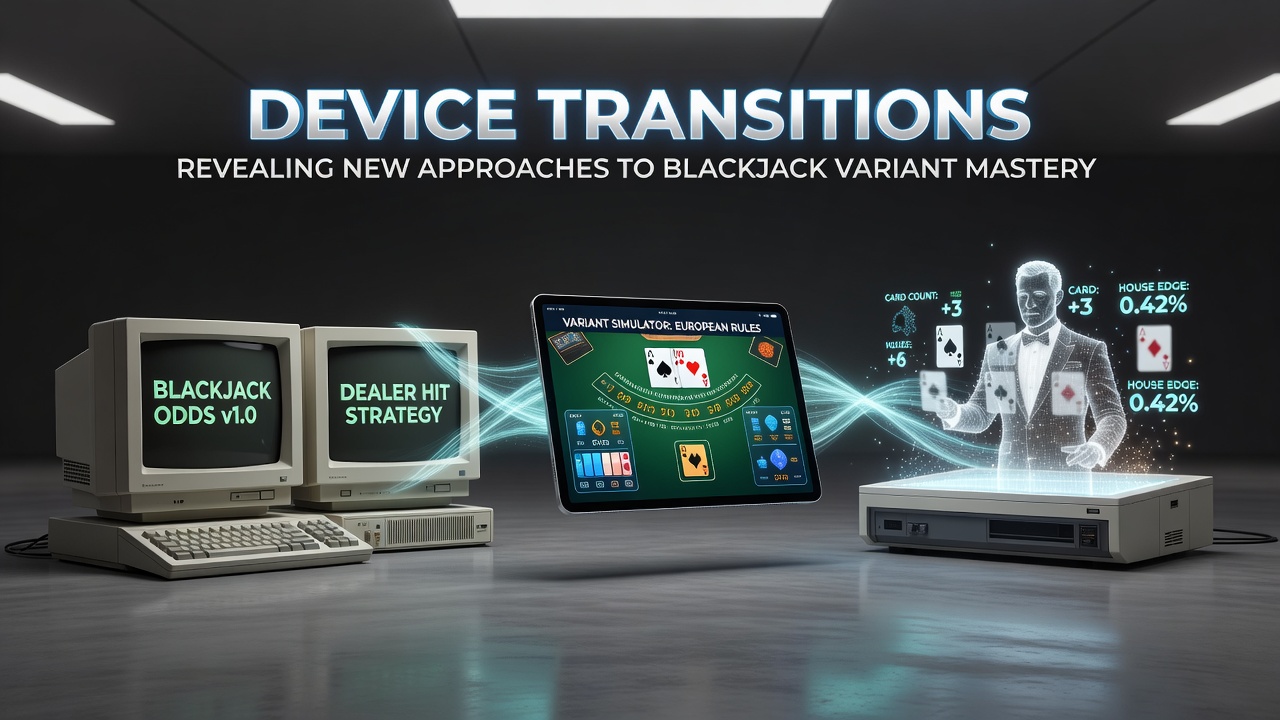
Device transitions have become a defining factor in how players approach blackjack variants, with data from multiple gaming markets indicating that seamless shifts between mobile, tablet, and desktop platforms encourage adjustments in decision-making speed, bankroll tracking, and variant selection. Observers note that these movements across interfaces reveal patterns where users adapt core strategies to fit screen sizes, touch controls, and session lengths rather than sticking to rigid desktop-based methods.
Platform Shifts and Variant Selection Patterns
Research from industry reports shows that players frequently begin sessions on desktops for detailed rule analysis before moving to mobile devices during travel or shorter breaks, which influences choices toward faster-paced variants such as Infinite Blackjack or Double Attack Blackjack. Figures released in June 2026 by regulatory bodies highlight a 12 percent rise in cross-device play across U.S. markets, with mobile completions often favoring games that reduce hand complexity to match smaller interfaces. Those who've tracked these behaviors point out that tablet users tend to linger longer on multi-hand options because larger touchscreens support simultaneous card tracking more effectively than phones.
What's interesting is how interface limitations prompt new mastery techniques. Desktop setups allow full spreadsheet integration for counting systems in variants like Spanish 21, yet mobile transitions push users toward simplified mental math approaches or app-based trackers that sync across devices. Data indicates that this adaptation improves consistency when sessions fragment across platforms, as players avoid restarting counts from scratch after switching screens.
Interface Adaptations Driving Strategy Refinements
Studies conducted by academic institutions reveal that touch-based inputs on mobile devices accelerate basic strategy deviations in low-edge variants, while desktop keyboards support more precise bet sizing during progressive side bet rounds. Experts at places like the University of Nevada, Las Vegas have documented how these hardware differences lead players to prioritize variants with fewer decision points when on phones, reserving complex rule sets for stationary sessions. And the reality is that software optimizations from operators now include device-specific prompts that guide users toward optimal plays based on detected hardware.

June 2026 metrics from the American Gaming Association further illustrate that cross-device users demonstrate higher retention rates in tournament-style blackjack events because they practice on multiple formats beforehand. Observers have seen cases where participants refine their table selection tactics by testing mobile lobbies during commutes and then confirming desktop simulations at home, creating hybrid approaches that blend real-time speed with analytical depth. This pattern holds across regions monitored by Canadian provincial regulators as well, where similar device migration data points to increased variant experimentation.
Data Trends Supporting Cross-Device Mastery
Evidence from aggregated play logs suggests that transitions between devices correlate with measurable improvements in risk management for variants carrying house edges between 0.5 and 2 percent. Players often discover that resuming a session on a different screen encourages shorter, more focused betting cycles, which aligns with bankroll preservation principles outlined in earlier tournament analyses. Researchers have observed that June 2026 platform analytics show a spike in users employing cloud-synced strategy cards that update automatically when switching from desktop to mobile, reducing errors during rapid rule adaptations.
But here's the thing: not all variants benefit equally from these shifts. Games with heavy reliance on physical card visuals perform better on tablets, while stripped-down mobile versions of European Blackjack push reliance on memorized charts instead. Those monitoring global markets note that regulatory updates in places like Australia have prompted operators to standardize cross-device rule displays, making mastery more accessible regardless of starting platform.
Future Implications for Player Development
Continued expansion of 5G networks and improved cloud syncing will likely accelerate these device-driven evolutions, according to forecasts tied to current usage statistics. Players who master transitions gain advantages in live dealer variants where connection stability varies by hardware, allowing quicker pivots between speed-focused and precision-focused strategies. The ball remains in the court of software developers to refine detection algorithms that match variant recommendations to detected device capabilities.
Conclusion
Device transitions continue to expose practical pathways for refining blackjack variant expertise through adaptive interfaces and data-informed adjustments. As metrics from June 2026 and beyond accumulate, patterns emerge showing that platform flexibility enhances rather than fragments strategic consistency across multiple game types.