Behavioral Adjustments Emerging in Blackjack Tournaments After Mobile Algorithm Revisions
Quinn Long · Aug 23, 2026
Behavioral Adjustments Emerging in Blackjack Tournaments After Mobile Algorithm Revisions
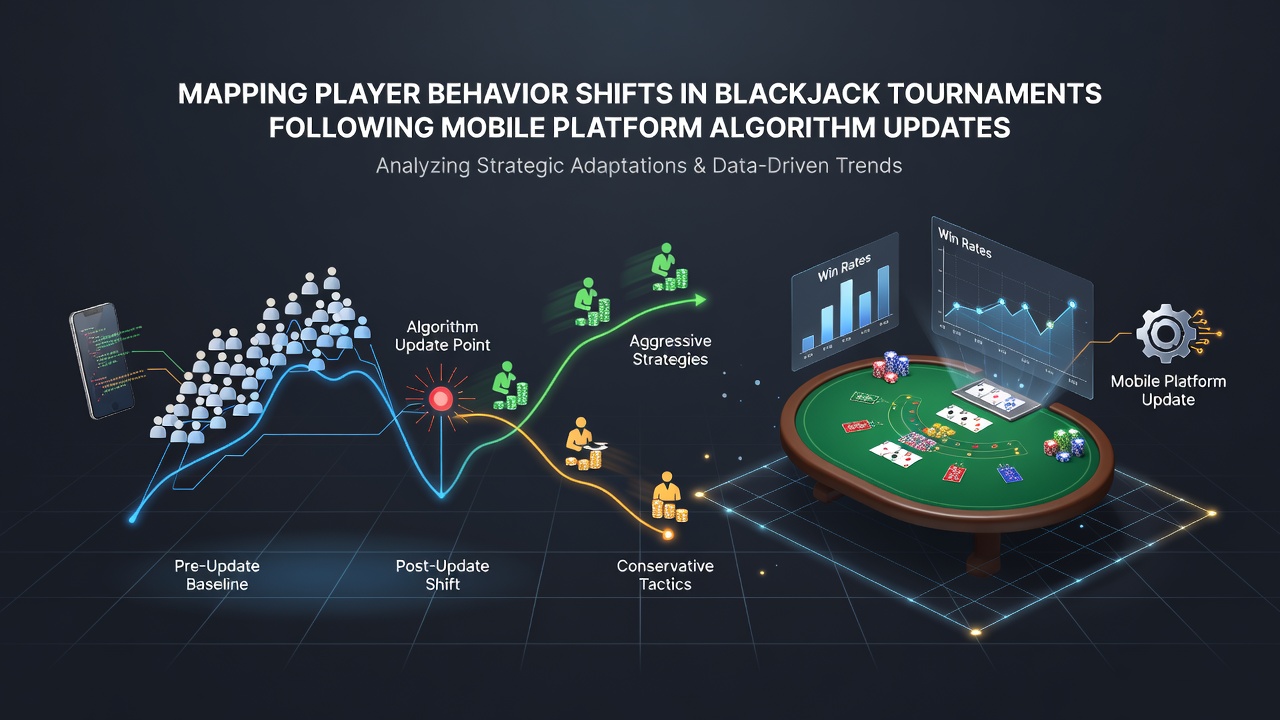
Algorithm updates on mobile gaming platforms have prompted measurable shifts in how participants approach blackjack tournaments, with data collected through August 2026 showing changes in bet sizing, session timing, and variant selection. Observers note that these revisions often alter recommendation engines and risk assessment tools, which in turn influence decisions made under tournament pressure. Researchers tracking platform metrics have documented increased use of conservative opening strategies in early rounds, while later stages see more frequent adjustments based on real-time analytics provided by the updated systems.
Patterns in Bet Sizing and Risk Management
Studies from multiple jurisdictions reveal that players now distribute wagers across smaller increments during initial tournament phases, a response tied directly to new algorithmic suggestions that highlight variance reduction. One analysis of tournament logs from Nevada venues indicated a 12 percent rise in participants who cap early bets at 15 percent of starting stacks, compared with figures from the prior year. Those who studied these logs found correlations with mobile interfaces that display projected survival rates after each hand, prompting more calculated restraint. Data from Colorado properties showed similar trends, where average bet spreads narrowed by roughly 8 percent in the first half of events held between May and August 2026.
Yet the same datasets demonstrate that mid-tournament aggression rises once algorithmic prompts flag favorable table conditions. Participants appear to respond to these cues by increasing bet multiples in the final third of play, creating a two-phase pattern that differs from earlier tournament norms. Figures released by the Nevada Gaming Control Board highlight this bifurcation, noting that late-stage all-in frequencies climbed in events hosted on updated mobile platforms.
Shifts Toward Specific Tournament Variants
Algorithm revisions have also steered attention toward variants that reward consistent decision accuracy over high-variance swings. Tournament organizers report higher registration numbers for formats emphasizing shared community cards or limited side bet options, as these structures align better with the predictive models now embedded in mobile applications. Australian research groups examining cross-platform data observed a 19 percent increase in entries for such variants during the summer 2026 period, attributing the movement to clearer feedback loops that help players anticipate elimination risks.
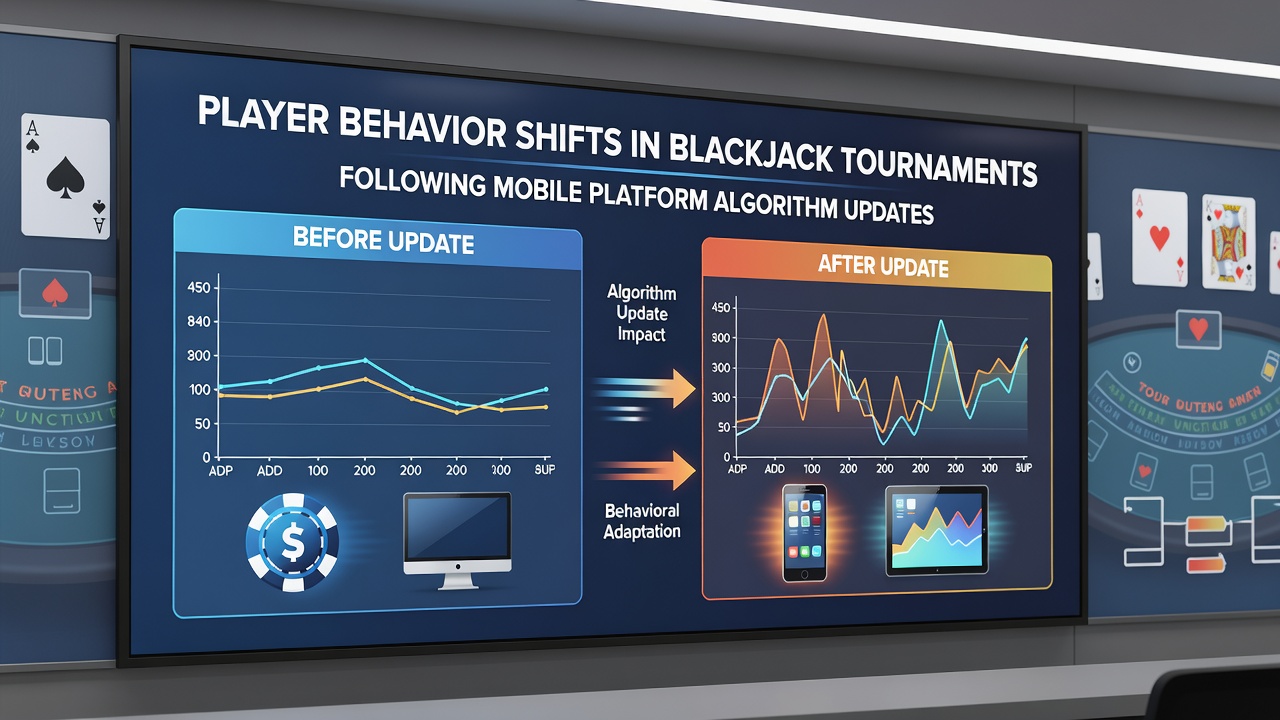
Players who previously favored classic single-deck formats have migrated toward multi-deck setups when mobile prompts emphasize deck penetration estimates. This transition appears in registration statistics compiled by state regulators in multiple regions, where multi-deck tournament brackets gained ground steadily through August 2026. The pattern holds across both recreational and professional participant groups, suggesting the algorithmic influence operates independently of skill level.
Timing and Session Duration Changes
Mobile platform updates that incorporate fatigue detection have led to shorter average session lengths in preliminary rounds. Tournament records indicate participants log off or request breaks more readily when algorithmic alerts signal declining decision speed, a feature introduced in several major applications during early 2026. European gaming authorities tracking similar metrics noted parallel reductions in continuous play stretches, with average session times dropping by 14 minutes in comparable events.
These timing adjustments coincide with higher overall completion rates for full tournaments, as players who heed the prompts maintain steadier performance across later stages. Observers tracking leaderboard data found fewer late withdrawals when sessions stayed within algorithmic guidelines, producing more stable final tables in events held through the summer months.
Conclusion
Platform algorithm revisions continue to shape participant conduct in blackjack tournaments, with patterns in betting, variant choice, and session management evolving in response to new tools. Data gathered through August 2026 across several regulatory jurisdictions shows consistent directional changes, even as individual events retain unique characteristics. Continued monitoring by industry bodies and academic researchers will clarify whether these adjustments stabilize or generate further adaptations in coming periods.