AGA Tracks Over $1 Billion in Lost Tax Revenue as Prediction Markets Expand Beyond Regulatory Reach
Otto Lehmann · May 29, 2026

AGA Tracks Over $1 Billion in Lost Tax Revenue as Prediction Markets Expand Beyond Regulatory Reach
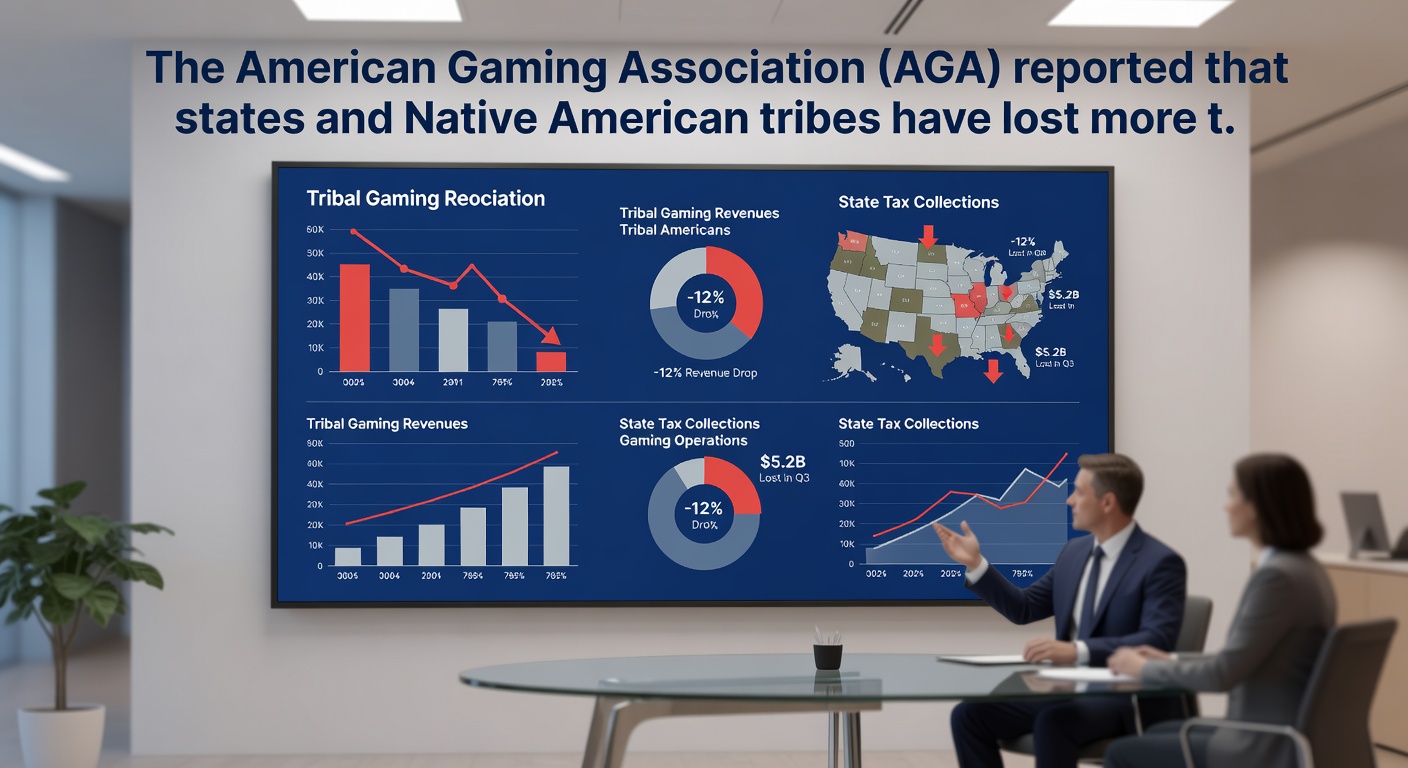
States and Native American tribes continue to see substantial shortfalls in tax collections because prediction markets such as Kalshi and Polymarket have drawn significant betting activity away from licensed sportsbooks, and the American Gaming Association has documented this trend through a real-time tracker that now exceeds the $1 billion threshold. The association points out that these platforms function as sports event contracts yet operate outside the frameworks established by state and tribal regulators, which means the revenue that would normally flow into government coffers never materializes. The live tracker maintained by the AGA updates continuously and reflects cumulative losses that have climbed steadily since the markets gained broader traction. Observers note that the figure captures opportunity costs across multiple jurisdictions where regulated sports betting generates taxes and tribal gaming compacts allocate shares to Native American communities. Because prediction markets allow yes-or-no wagers on sports outcomes, the AGA argues that these exchanges mirror traditional sports betting in both structure and impact yet avoid the licensing and taxation requirements that apply to established operators.Scope of the Revenue Shortfall and Jurisdictional Concerns
Data compiled by the AGA shows that the lost revenue stems from volume that would otherwise contribute to state budgets and tribal economies through established tax rates on sports wagering. Multiple states have already moved to address the issue either by imposing taxes on the platforms or by pursuing outright prohibitions, while others examine legislative options that could bring these exchanges under existing regulatory umbrellas. Attorneys general from 41 states have expressed bipartisan support for tighter oversight, signaling broad agreement that the current arrangement creates an uneven playing field for licensed operators and deprives governments of funds earmarked for public services.
Native American tribes face parallel challenges because many tribal gaming operations depend on revenue from sportsbooks to fund community programs and infrastructure projects. When prediction markets capture market share without contributing to compact payments or state-tribal revenue sharing agreements, the shortfall affects those programs directly. The AGA report emphasizes that the platforms continue to grow in popularity, which means the lost revenue figure keeps rising and the pressure on regulators intensifies with each passing month.
Bipartisan Backing and State-Level Responses
Legislative and legal efforts have gained momentum across the country as officials seek to close the regulatory gap. Some states have introduced bills that would classify prediction markets as sports betting and subject them to the same licensing and tax structures that apply to casinos and sportsbooks. Other jurisdictions have filed lawsuits arguing that the exchanges violate existing gambling statutes because they accept wagers on sporting events without authorization. The broad coalition of 41 attorneys general underscores that the concern crosses party lines and reflects a shared interest in preserving the integrity of regulated gambling markets.
Those who have followed the issue closely point out that the regulatory response remains uneven, with some states advancing quickly while others study the matter further. The AGA continues to update its tracker to provide lawmakers and regulators with current figures that illustrate the scale of the revenue impact. This ongoing documentation serves as a reference point for discussions about how best to bring prediction markets into alignment with established frameworks.
Volume Data and Market Composition
Figures from the Pew Research Center indicate that sports derivatives accounted for 80 percent of Kalshi’s trading volume between July 2024 and April 2026. That concentration demonstrates that the bulk of activity on the platform centers on sports outcomes rather than other event contracts. The AGA uses this breakdown to support its position that prediction markets have effectively become vehicles for sports betting without the accompanying regulatory obligations. As volume grows, the proportion tied to sports continues to drive the revenue losses tracked by the association.
Market participants have noted that the ease of access and the variety of contract types on these platforms attract users who might otherwise place wagers through licensed sportsbooks. The absence of state-level taxes and tribal revenue shares means that each transaction bypasses the mechanisms designed to support public programs and tribal enterprises. Regulators in several states have cited this dynamic when explaining why legislative or enforcement actions have become priorities in recent sessions.
Looking Ahead as Figures Continue to Rise
The AGA’s live tracker remains active and continues to reflect new losses as prediction market activity persists. Officials and industry observers monitor the data for signs that regulatory measures are narrowing the gap between licensed and unlicensed platforms. In the meantime, the association supplies updated statistics to policymakers who are evaluating options ranging from taxation to enforcement actions aimed at bringing these exchanges under existing state and tribal authority.
Conclusion
The situation described in the AGA report illustrates how prediction markets have carved out a significant share of sports-related wagering without contributing to the tax and revenue systems that support states and tribes. With the lost revenue total now surpassing $1 billion and still climbing, lawmakers across the country face decisions about how to address the regulatory disparity. The bipartisan support from attorneys general and the ongoing state-level initiatives suggest that further developments will shape the landscape for both licensed operators and the platforms currently operating outside those frameworks.